Small Things 2
Disclosure logs
My disclosure log scraping project is now well underway. Interestingly, the percentage of requests made to English local government via WhatDoTheyKnow is much higher than I’d previously thought. Some of that growth will be fake, as in places it matches suspicious requesting patterns I’ve observed before, but nevertheless this was quite heartening. I’ve managed to figure out iCasework and infreemation, but getting the information out of Granicus and whatever Basingstoke use is going to be a challenge.
Slack
I recently took some good advice from a former colleague and deactivated one of my Slack accounts. In doing so, I was surprised by how well they hid the button, and that they made you confirm three times that it was what you wanted to do. Having to confirm once for a thing that is irreversible by you makes sense as a safety check, but this seemed excessive. I am naturally suspicious of all services that are easy to join and hard to leave. They tend to hoard a bit too much of your data. This is now going on my list.
Opus 4.5
I’ve been playing about with Claude Opus 4.5 a bit, and it is the most ‘human’ of LLMs that I’ve tried, with its writing lacking most of the usual AI tells. It even challenges me based on things in its memory, saying things like “are you really sure you want to do that, because on this date you said x, and you seemed to be feeling y about it. What are you looking to achieve with this?” It also uses my name a lot. These things combined are a tad creepy at times, but it seems very capable, and was the first model to nail an interactive dancing badger first time.
Nano Banana Pro
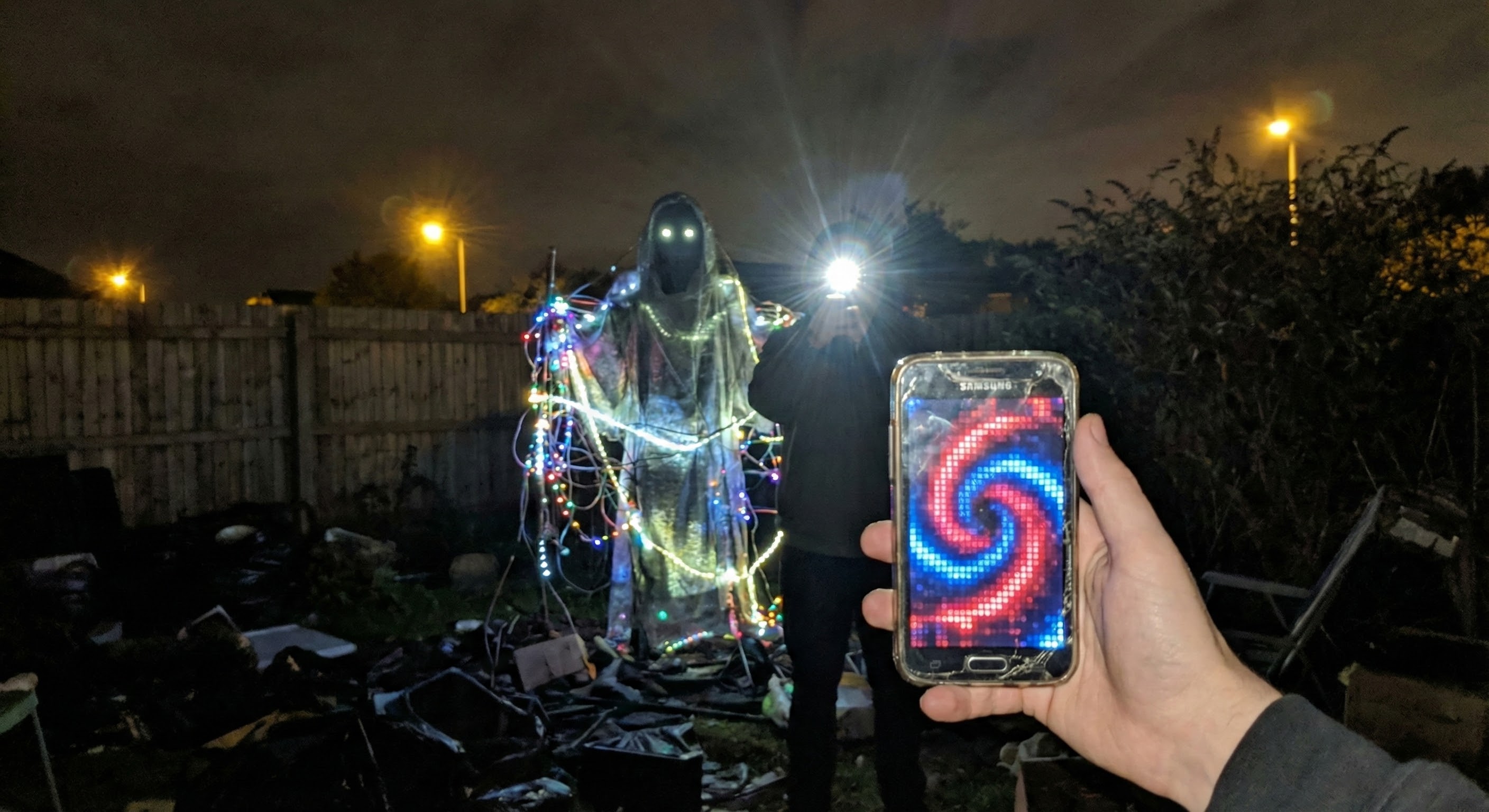
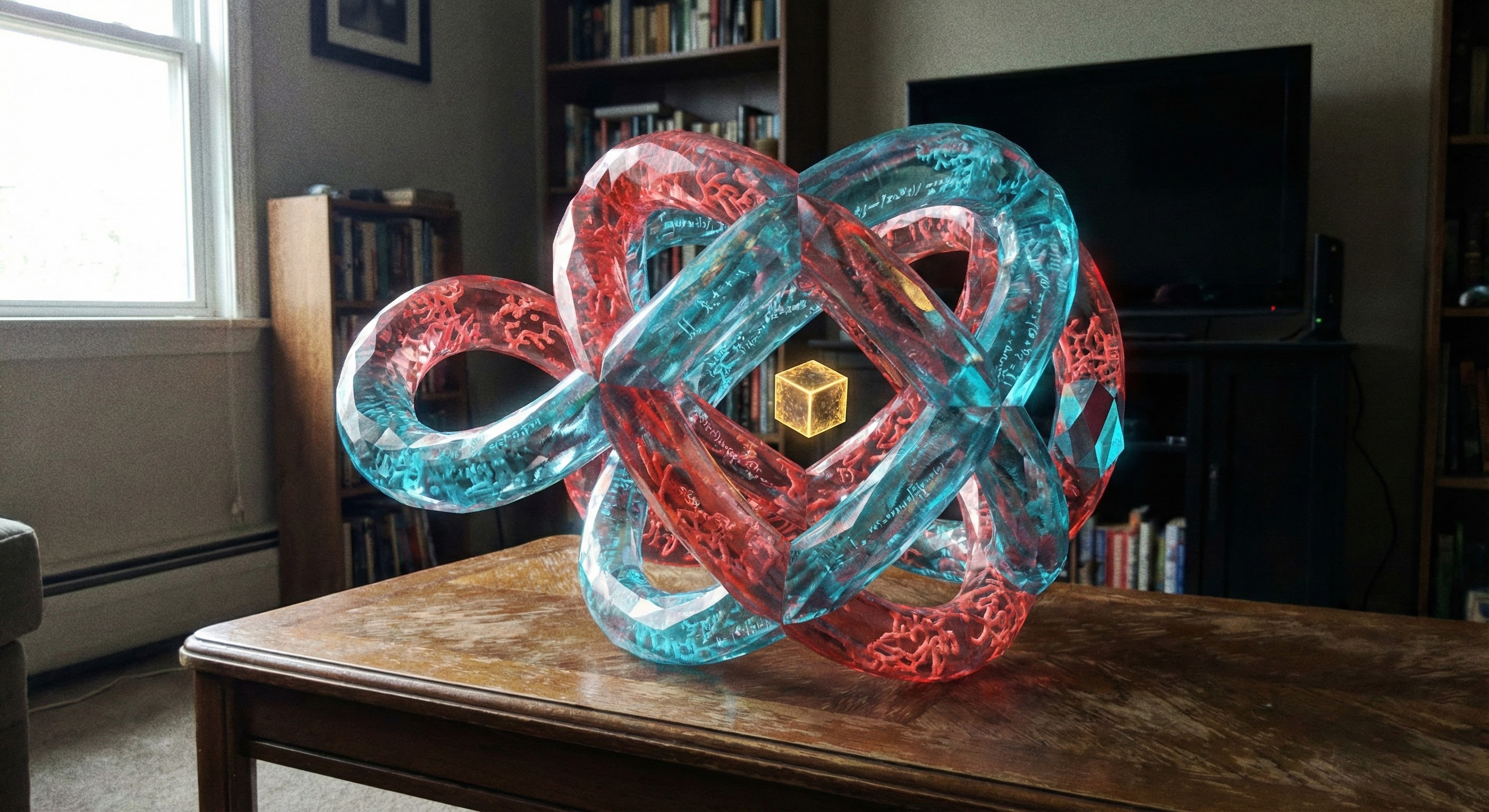
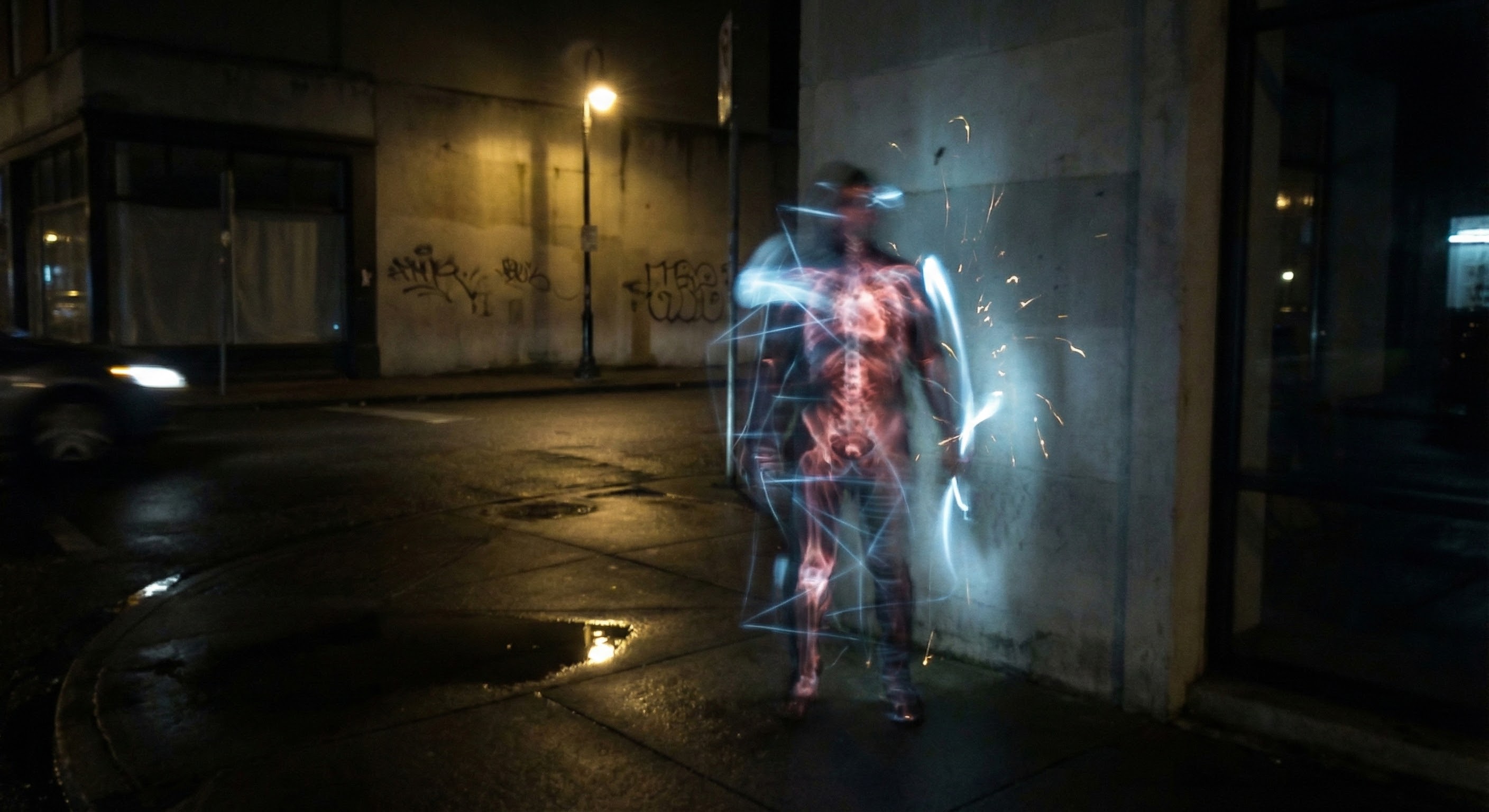
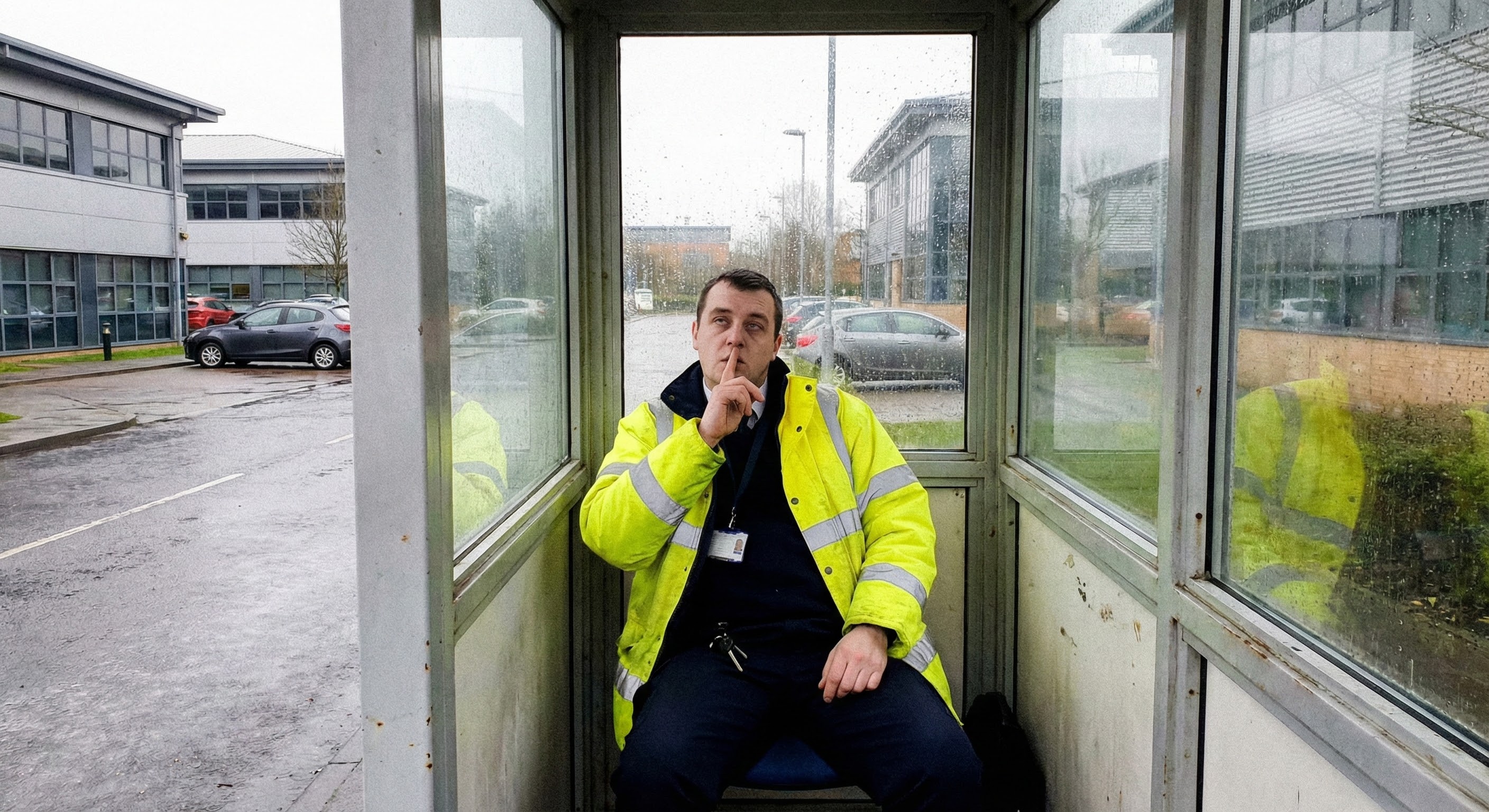
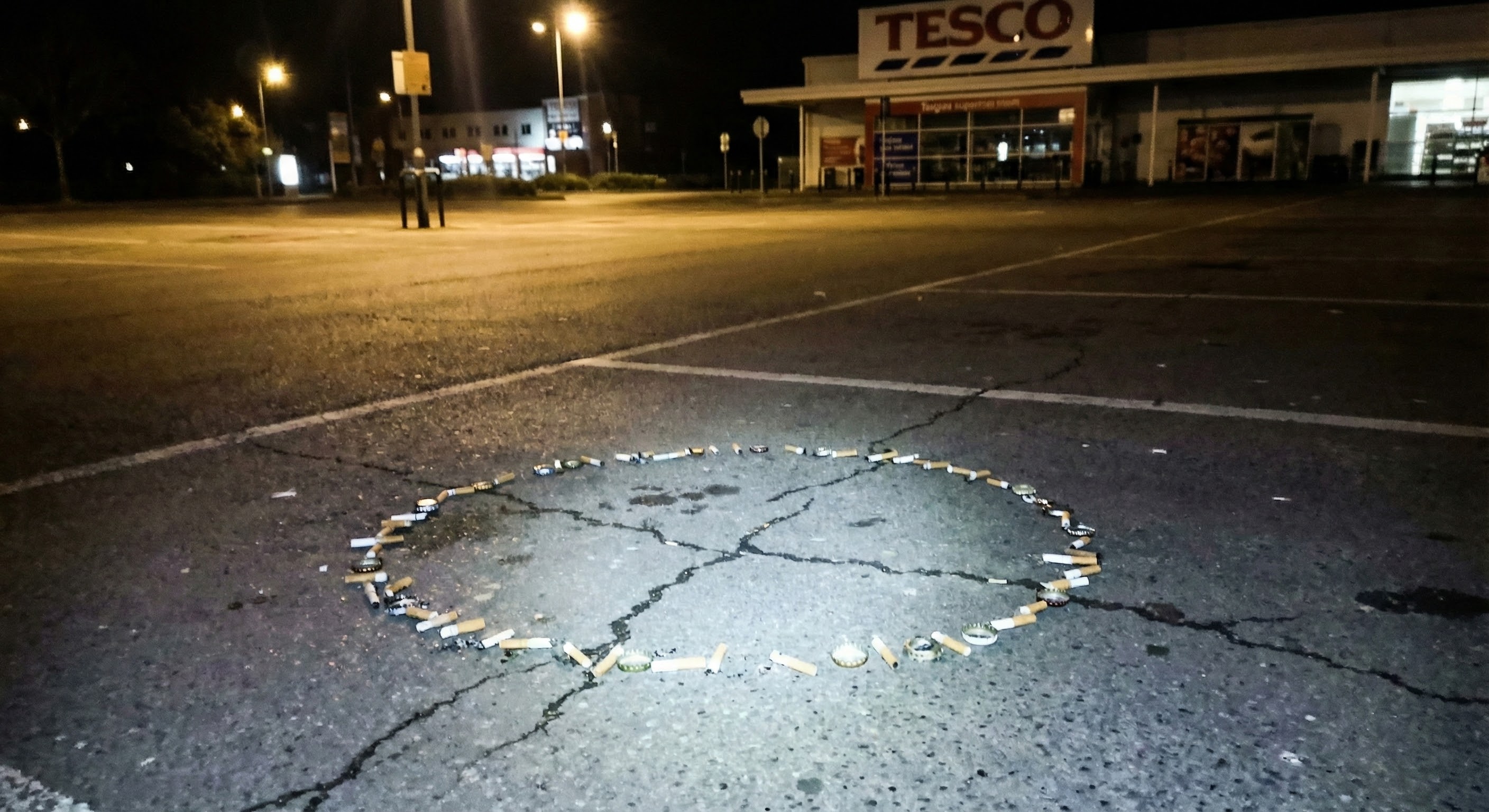
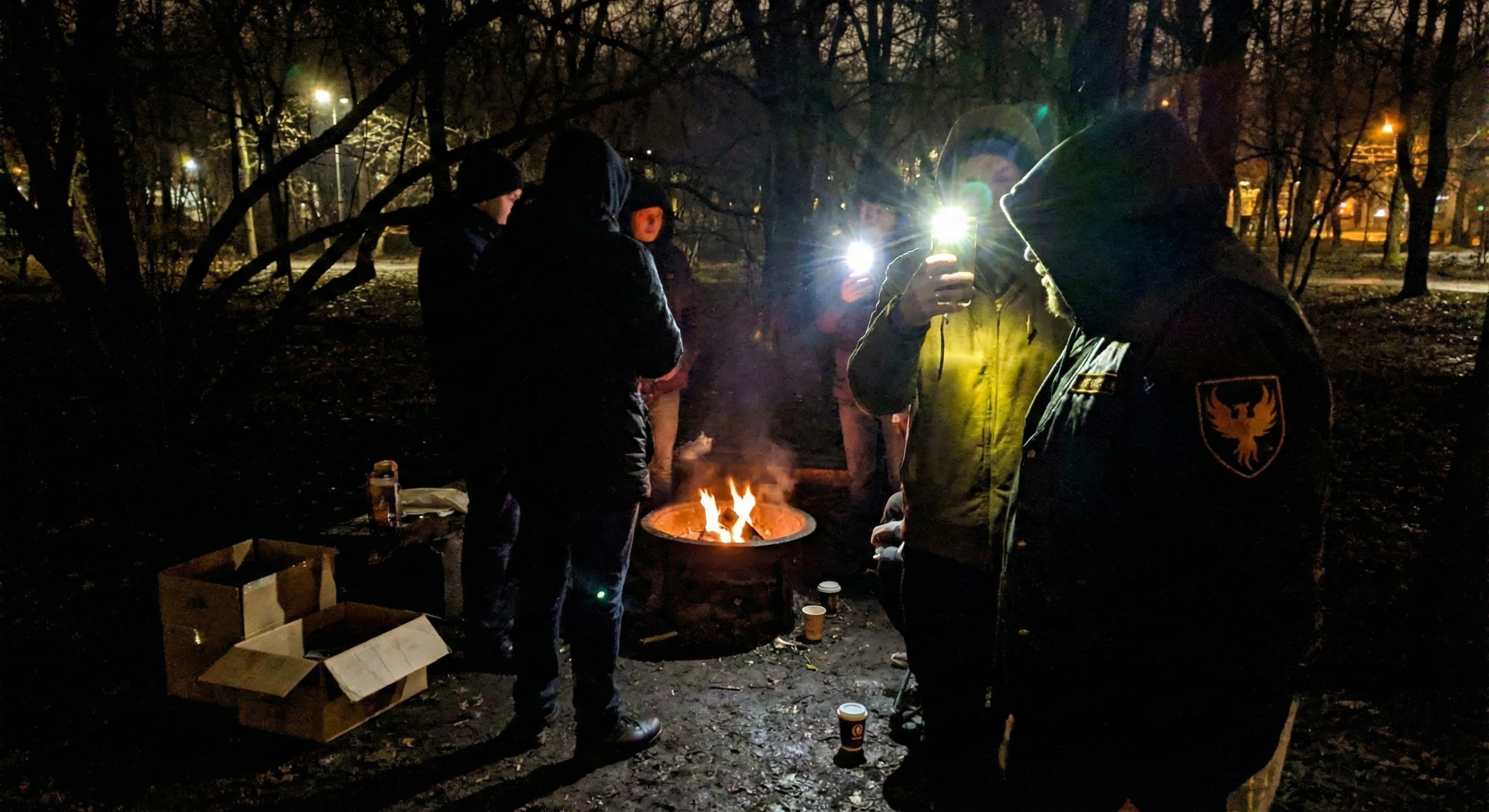
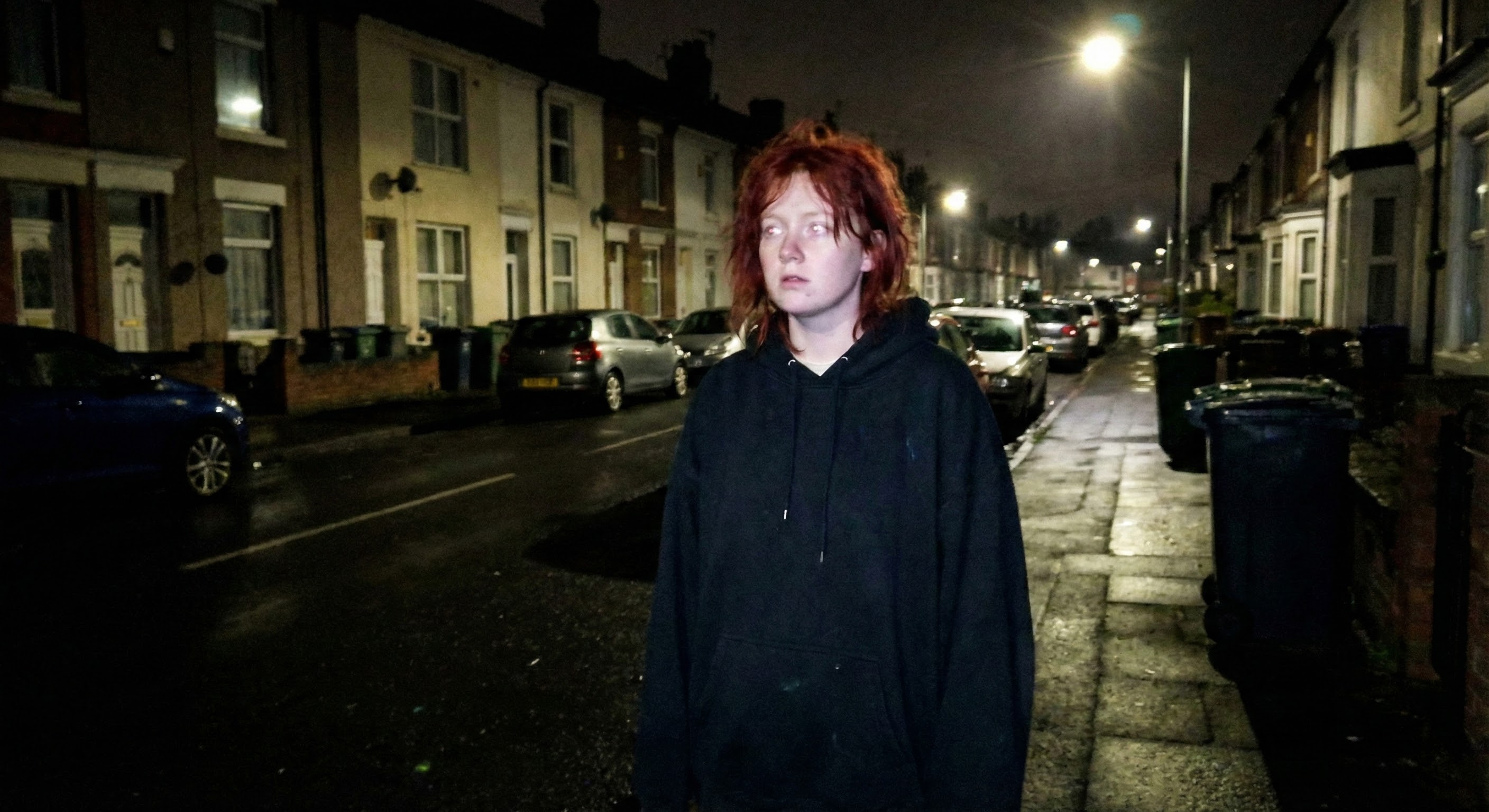
Speaking of creepy, I gave Opus the chance to prompt Google’s latest image model Nano Banana Pro and fed the results back to it. These are some of the more unsettling things it came up with (it generated the alt text too), with the brief being to depict things that were realistic but a bit off.